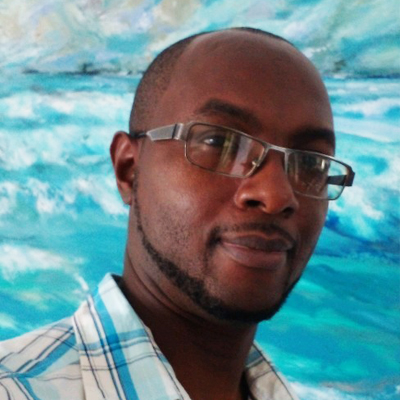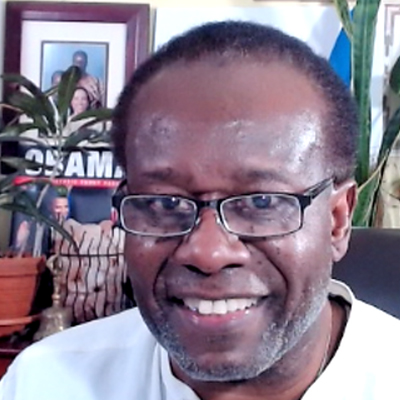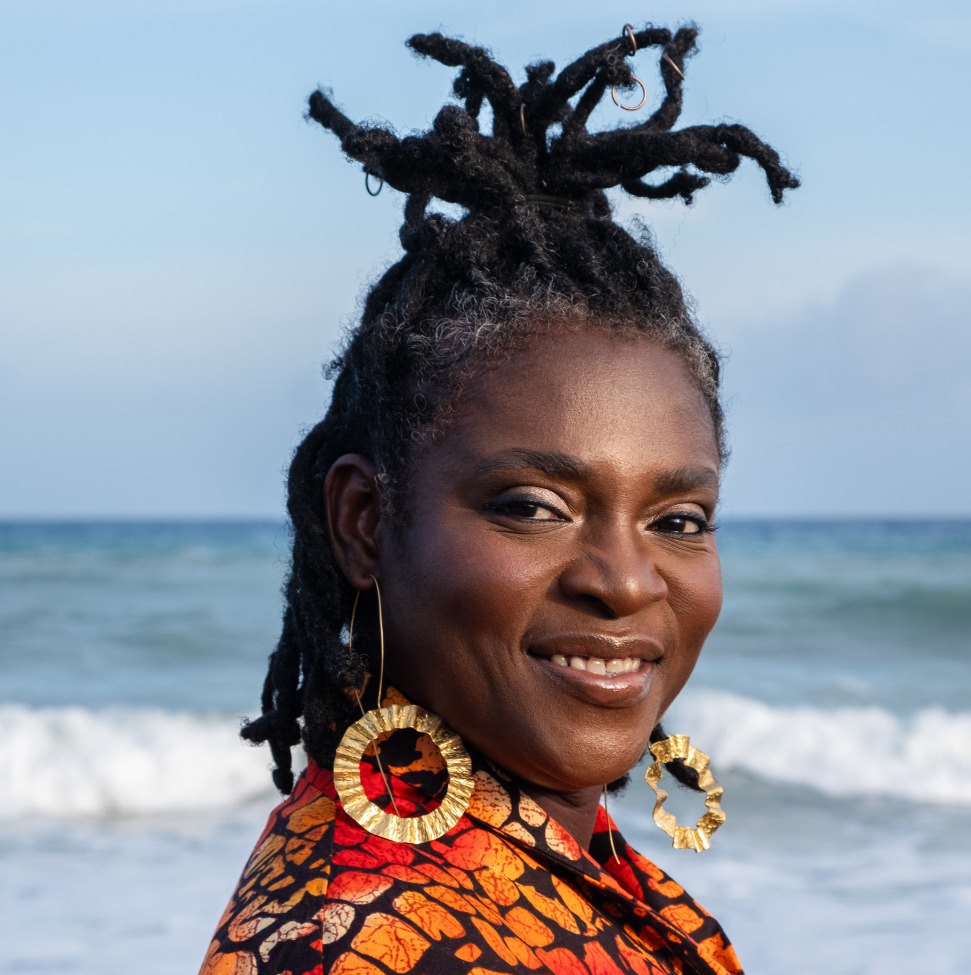
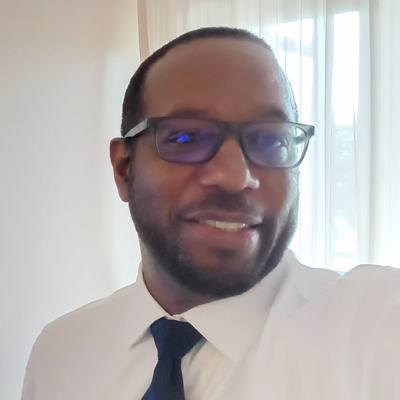
Professor Ian Boxill
Conference Chair, Professor of Comparative Sociology and Development, The University of the West Indies, Mona Jamaica; Chairman of the Africa Caribbean Centre for Development
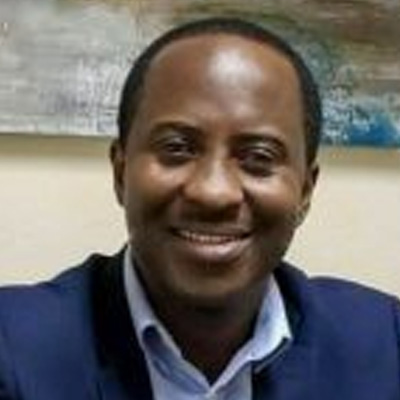
Mr. Michael-Edward James
Chair --Local Organising Committee Operations Manager Africa Caribbean Centre for Development, Ghana Chair, Local Organising Committee
(Ghana)
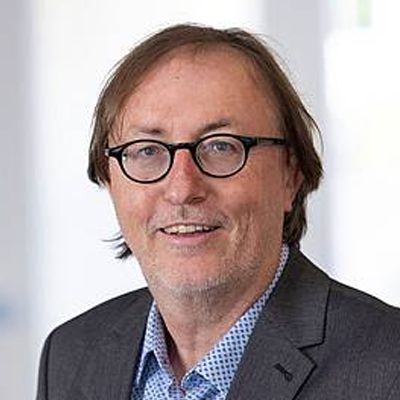
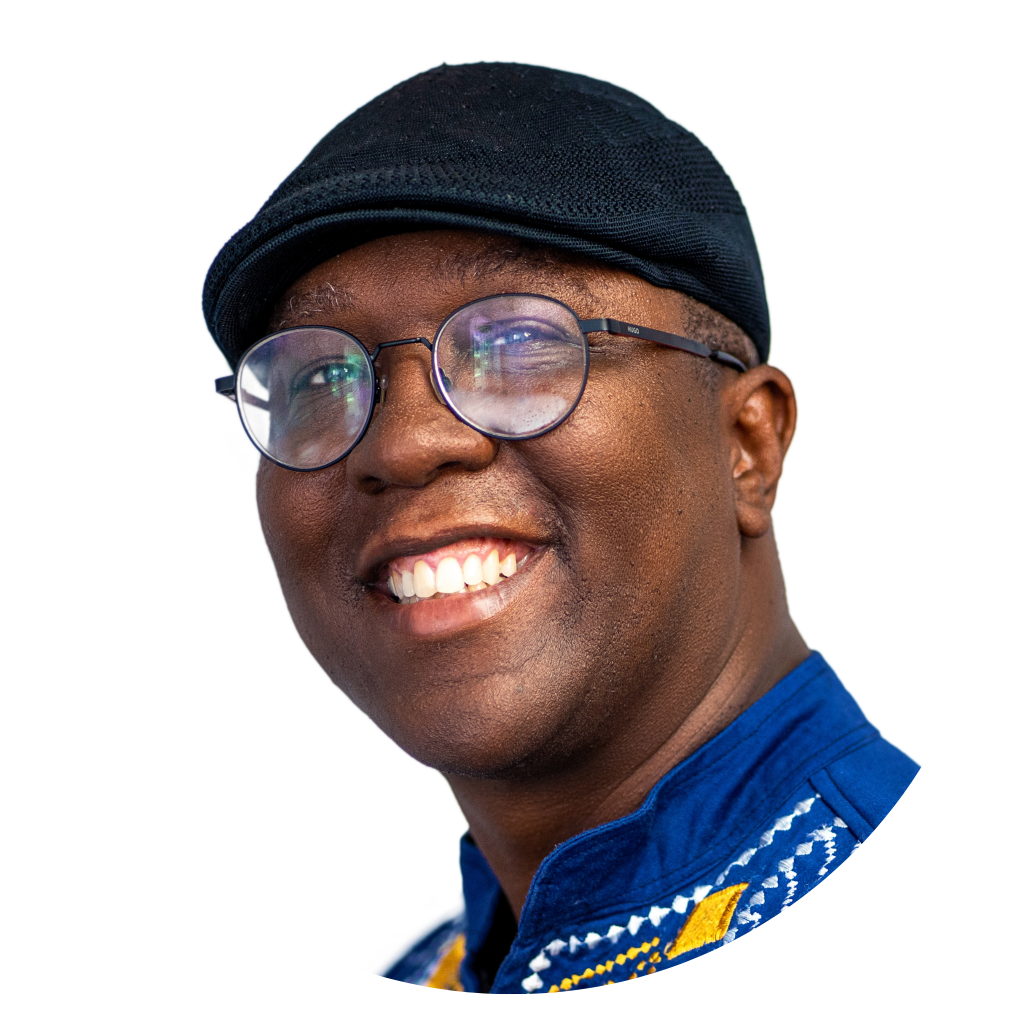
Professor Johannes Maerk
Professor at the University of Applied Sciences Campus Vienna and Coordinator of the Erasmus+CBHE „Strengthening Conflict Management and Transformation Studies in Africa (CONMAT)“, January 2025 to December 2027.Head of Program International Relations and Urban Policy
(Austria)
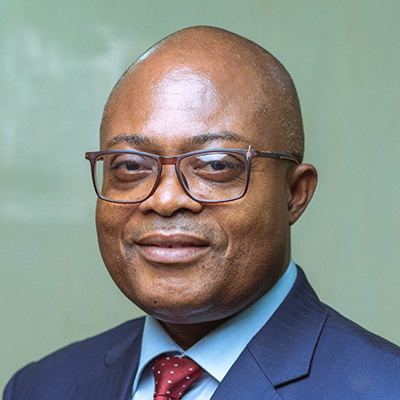
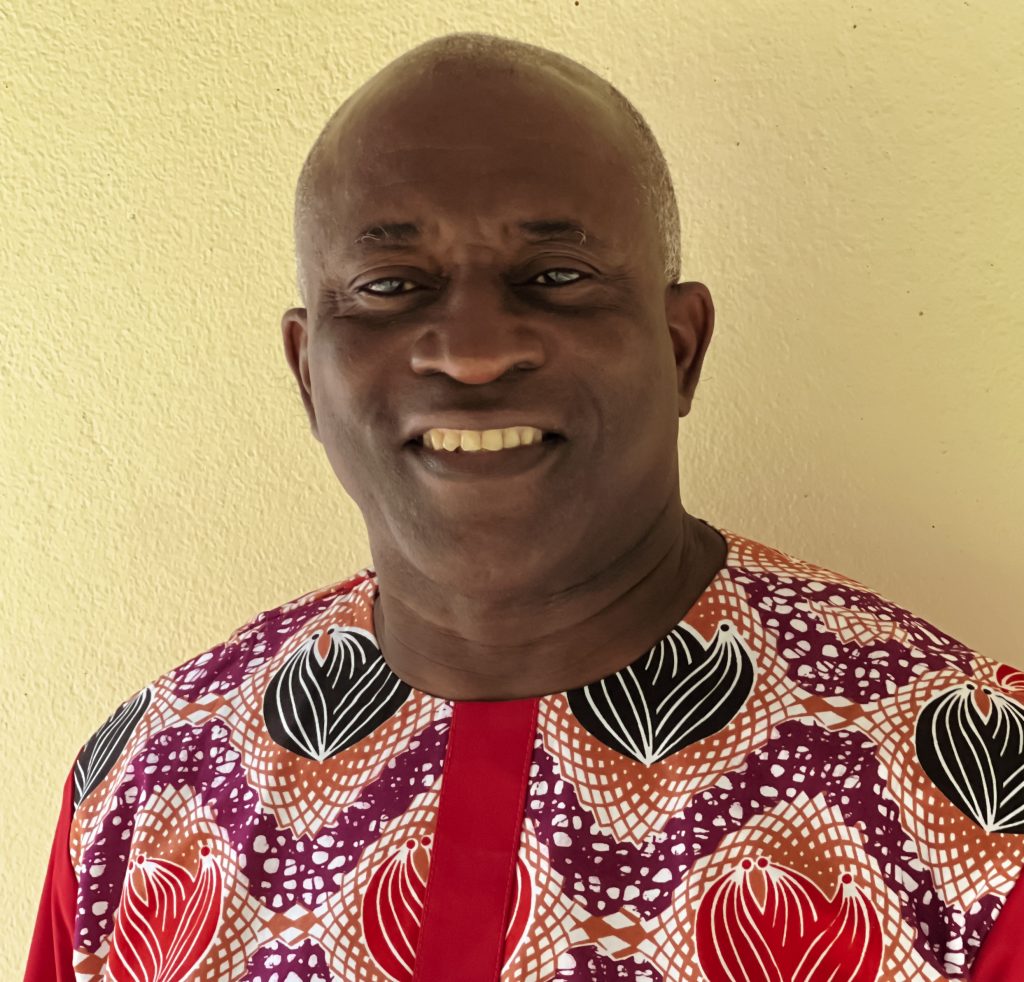
Professor Philip Osei
Formerly, Vice Chancellor at SD Dombo University of Business & Integrated Development Studies, Wa, Ghana.
(Ghana)
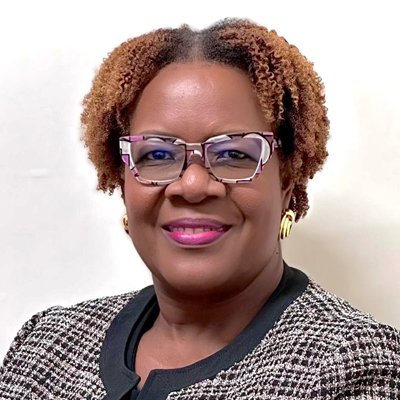
Dr. Olivene Burke
Director Short-Term Advancement and Resource Centre The University of the West Indies, Jamaica, West Indies
Dr. Omowale Elson
is Professor of Management at University of Maryland Global Campus, and Human Communications at Montgomery College, Maryland, USA. He is also Vice President Elson Consulting Group, a management consulting firm.
Dr. Kofi Osei-Kusi
President of the Pan African Leadership Institute (PALI), Accra, Ghana
(Ghana)
Ms. Britannia Johnson
Britannia Johnson is currently a student in the Faculty of Law at University of the West Indies, Mona. She holds a Bachelor of Science in Political Science and does independent research on rural life, climate justice and sustainable development. She is a former research assistant in the Institute of Caribbean Studies, UWI Mona and a former high school educator.'
Dr. Stefan Walcott
Dr. Stefan Walcott is a Barbadian performer and academic specialising in Caribbean popular music. He holds a PhD in Cultural Studies from The University of the West Indies (UWI), Cave Hill, where he lectures and coordinates music programmes. A published author and cultural innovator, his works are used in Barbados’ education system. He created Handel’s Caribbean Messiah and directs the UWI Big Band. A 2024 Anthony N. Sabga Laureate, he is a leading voice in Caribbean music and culture.
Dr. Roger Nesbeth, JP, EdD
Roger Nesbeth, JP, EdD is the Director of Human Resources (Ag.) at The Global Campus, The
University of the West Indies (UWI), and is based in Mona, Jamaica. He has served for over thirty-
two years as a Higher Education/HR Manager. Dr. Nesbeth has served as a Research Supervisor in
the EdD programme at the UWI, Global Campus, and as a Seminar and Conference Presenter at the
local, and global level.
Emiel Martens
Emiel Martens is a postcolonial film scholar-practitioner whose work focuses on African and Caribbean film histories and their associations, intersections and entanglements with tourism and geopolitics. He graduated cum laude in both Media Studies and Human Geography from the University of Amsterdam and earned his PhD in Media Studies from the same institution. His dissertation, Welcome to Paradise Island: The Rise of Jamaica’s Cine-Tourist Image, 1891-1951 (2013), was the first comprehensive study of Jamaica’s early film history and its connections to tourism and colonialism. Since then, he has published widely on the topic and has expanded his research to the post-independent histories of film, tourism, and geopolitics in Jamaica, the wider Caribbean, and West Africa. In the late 2010s, he contributed to the Dutch-Gambian impact films Welcome to the Smiling Coast (2016) and Gifts from Babylon (2018), and he is currently completing the short documentary Beach inna Bondage: The Fight for Jamaica’s Coastline (2026). Martens currently serves as Assistant Professor of Postcolonial Film Studies at the University of Amsterdam and as Visiting Research Fellow at the University of the West Indies in Kingston, Jamaica, where he is working on several articles as well as a 14-part documentary series entitled Film Location Jamaica. Finally, Martens is also a Founding Director of the Erasmus Knowledge Centre for Film, Heritage and Tourism (FIHETO) and the Expertise Centre Humanitarian Communication (HUCOM), and is actively involved in Africadelic and Caribbean Creativity, two Amsterdam-based non-profit organizations dedicated to promoting African and Caribbean cultural creativity in the Netherlands and beyond.
Edmund Chukwuma Onwuliri
Edmund Chukwuma Onwuliri is a Nigerian theatre and film scholar and documentary film practitioner affiliated with the Department of Theatre Arts, Faculty of Arts, University of Abuja, Nigeria where he is completing a doctoral programme in Media Arts. A graduate in Theatre Arts of the University of Jos, his research publications focus on Nollywood cinema, Nigeria’s documentary culture and festival landscape, and screen representations of Nigerian history, identity, and development. Alongside his academic work, Onwuliri has held senior positions at the National Directorate of Employment (NDE), Nigeria’s apex employment creation agency, and currently serves as Director of Planning, Research and Statistics there.
Dr. Deborah Hickling Gordon
Dr. Deborah Hickling Gordon is a leading Caribbean scholar-practitioner in Cultural Economy Development in the Global South, and a lecturer and programme coordinator at The University of the West Indies (UWI Mona), where she has shaped regional Culture and Creative Economy (CCE) education, research and policy dialogue
Isaac Newton Acquah
Isaac Newton Acquah is an innovation strategist, ecosystem enabler, and international consultant with close to two decades of experience working across Africa and Europe at the intersection of technology, entrepreneurship, and economic transformation. He is the Managing Partner of The Innovation Spark, a consultancy supporting governments, development partners, corporates, and startup ecosystems in areas including digital transformation, artificial intelligence, entrepreneurship development, and market-driven innovation.
Acquah works extensively with international institutions, innovation hubs, and public sector leaders to design and implement programs that strengthen digital economies and unlock new investment opportunities across emerging markets. His work frequently focuses on how technology can accelerate sustainable economic growth, climate innovation, and inclusive entrepreneurship in Africa.
He has participated in global technology forums including the Mobile World Congress, where he joined a panel discussion on carbon markets and climate innovation, exploring how emerging economies can leverage digital platforms and policy frameworks to scale circular and green economy solutions. In addition, he delivered a fireside conversation on law, technology, and Africa’s twin transition: green and digital, examining the regulatory, investment, and innovation ecosystems needed to support sustainable development.
Acquah regularly engages with policymakers, investors, and ecosystem leaders on topics including AI adoption, digital trade, climate innovation, and the future of African startup ecosystems, translating complex technological trends into actionable strategies for institutions and businesses.
Rebecca Yekple
Rebecca Yekple is the Founder and CEO of Foovante Global, where she leads the development
of scalable climate-tech solutions that bridge climate projects with global carbon markets. Her
work focuses on advancing high-integrity carbon systems, particularly within agriculture and
nature-based solutions, by addressing challenges around data, land rights, and market access.
She is building pathways for smallholder and large project developers to participate
meaningfully in climate action, with a strong emphasis on equity, trust, and long-term
sustainability.
Rebecca is also a business development professional, supporting businesses to build brands,
develop their technology products and access relevant markets to their growth. She has worked
with young people in STEM education, leadership training, environmental sustainability and AI
technology development in Africa. In short, Rebecca loves to help people bring their ideas to
life.
Dr. Colin A. Young
Dr. Colin A. Young, a Belizean national, is the Executive Director of the Caribbean
Community Climate Change Center (CCCCC). The CCCCC is an inter-governmental
organization mandated by the Heads of Governments of the Caribbean Community
(CARICOM) to coordinate the Caribbean’s response to managing and adapting to climate
change.
Doctor Young has a Bachelor of Science degree and Anthropology and Conservation
Biology from Marlboro College, Vermont, U.S.A, during which he conducted original
research on Creole Ethnology for a thesis entitled” Concepts of disease and illness and
ethnobotanically useful plants among Belize Creoles n North-Central Belize.” During his
research, Dr. Young worked with traditional healers and experts to catalog the use of over
100 useful species to the Belizean Creole. He also holds both a Master of Science and a
doctorate in Ecology from the University of Connecticut, USA. His doctoral dissertation
entitled “A comprehensive and quantitative assessment of Belizean Creole Ethnobotany:
Implications for forest conservation” focused on the ethnobotanical importance of
different forest types to the Belizean creole, the efficacy of medicinal plants and the
reliability ethnobotanical information gathered during ethnobotanical across Belize.”
Previous to his selection as the Executive Director of the CCCCC Dr. Young served as
the Chief Executive Officer (CEO) of the Social Security Board, a parastatal entity that
administers Belize’s Social Security Fund from 2017 to 2019 were he championed
contribution reform, technology transformation and numerous legislative changes. He
also served as the CEO in the Ministry of Agriculture, Forestry, Fisheries, the
Environment, Sustainable Development where he had overall responsibilities for all of
the portfolios, including climate change, other than agriculture. He also served as the CEO
in the Ministry of Energy, Science and Technology and Public Utilities from 2012-2015.
He also worked as the Programme Director the National Protected Areas Secretariat, an
entity established to coordinate and oversee the implementation of the Belize Protected
Areas Systems Plan, under the then Ministry of Natural Resources and Environment from
2010-2012.
In academia, Dr. Young was an Assistant Professor at Galen University, where he served
as the Director of Galen University’s Environmental Science program and MBA program.
At Galen, he co-developed Galen’s flagship program in sustainable development at both
the undergraduate and graduate (MBA) levels.
Dr. Young has served on numerous boards including: the Green Climate Fund, a financial
mechanism under the United Nations Framework Convention on Climate Change,
Caribbean Telecommunications Union Executive Council, a CARICOM inter-
governmental organization dedicated to promoting information and communications
technologies, the Belize Telecommunications Limited, the Protected Areas Conservation
Trust, the Government of Belize’s financial mechanism for protected areas, the Belize
Trade and Investment Development Service (BELTRAIDE), a statutory body of the
Government of Belize, Friends for Conservation and Development, an NGO that co-
manages Belize’s largest protected area, and Programme for Belize, an NGO that manages
Belize’s largest private protected area, among others.
Tracy-Ann Bujham
Tracy-Ann Bujham is an MPhil/PhD Candidate at the Sir Arthur Lewis Institute of Social and
Economic Studies (SALISES), The University of the West Indies, Mona, and a researcher
focused on digital governance, agricultural transformation, and the adoption of emerging
technologies across Caribbean farming systems. Her work examines how innovation, policy, and
data-driven strategies can strengthen climate resilience, sustainability, and inclusive rural
development.
She holds an MBA with Distinction from the Mona School of Business and Management, a
Postgraduate Diploma in Applied Data Science with Distinction from Emeritus in collaboration
with Columbia Engineering Executive Education, and a BSc in Psychology with a minor in
Political Science from The University of the West Indies.
With over 14 years of experience spanning ICT, strategic planning, financial analysis,
stakeholder engagement, and business operations, Tracy-Ann brings a multidisciplinary
perspective to conversations on innovation, development, and sustainable agriculture. Her work
is grounded in advancing practical, scalable pathways for technology-enabled transformation
across small island and emerging economies. Outside of her academic and professional work, she
enjoys reading and spending time with family and friends.
Dean Avril
Dean Avril is a development consultant and doctoral researcher specializing in climate resilience,
sustainable agriculture, and biodiversity conservation across the Caribbean. With extensive
experience supporting national and regional initiatives, he has played a key role in designing
programmes that strengthen food systems and promote inclusive, climate-smart livelihoods.
He works closely with governments and international partners, including the Saint Lucia National
Conservation Fund (SLUNCF), the Caribbean Biodiversity Fund (CBF), FAO, and IICA. His portfolio
spans policy analysis, project design, and monitoring and evaluation frameworks, with a strong
emphasis on aligning national priorities with global frameworks like the Paris Agreement.
In Saint Lucia, Mr. Avril has been instrumental in advancing initiatives under the Global Climate
Adaptation Facility (GCAF) and leading work on gender-responsive climate-smart agriculture. His
current PhD research focuses on establishing the methodology for calculating carbon credit
contributions from precision agriculture systems in Saint Lucia. This work involves:
- Carbon Quantification: Establishing national agricultural carbon baselines and mapping sequestration potential for agroforestry, silvopasture, and soil regeneration practices.
- Technical MRV Development: Designing a SIDS-adapted Measurement, Reporting, and Verification (MRV) framework aligned with IPCC and voluntary carbon standards like Verra and Gold Standard.
- Nature-Based Solutions (NbS): Validating integrated crop and livestock systems as measurable mitigation assets to generate new revenue streams for smallholder farmers.
- Climate Finance Structuring: Assessing the feasibility of a carbon aggregation and trust model under the SLUNCF to enable scaling across the OECS region.
Dr. Michele D. Singh
Dr. Michele D. Singh is a Caribbean scientist and academic leader dedicated to transforming regional
agriculture through climate-smart innovation and food sovereignty. As the Director of The Center for
Agricultural Research and Innovation at the University of the West Indies, Cave Hill, she focuses on
the practical monetization of research to drive both health and revenue for local producers. With
over 16 years of experience in academia and a PhD in Livestock Science, Dr. Singh’s work emphasizes
nature-based solutions and alternative protein sources. She is a leading advocate for the "Revenue
Revolution," an initiative designed to align university R&D with industrial needs, ensuring that
scientific advancements translate into resilient livelihoods for farmers.
Her current strategic priorities include leading the development of the Dukes Agri-Industrial Park as
a regional hub for climate-tech infrastructure and sustainable tenanting. She is also executing large-
scale projects in Black Soldier Fly production and sargassum-based biostimulants to reduce input
costs and environmental impact while coordinating agricultural training programs for the Barbados
Prison Service. By collaborating with regional partners to validate regenerative farming models and
establish scalable carbon credit pathways for Caribbean smallholders, Dr. Singh continues to bridge
the gap between regional production and global climate finance. She is recognized for her direct,
human-centric approach to leadership, prioritizing technical reality and real-world impact over
theoretical models to position the Caribbean at the forefront of agricultural resilience.
Mr. Shiva Singh
Shiva Singh is a precision-driven agriculturist and livestock producer based in Trinidad and Tobago,
where he operates a specialized micro-farm focused on sustainable rabbit production. Transitioning
from a background in Mechanical Engineering at the University of the West Indies, St. Augustine, he
applies a unique "systems-thinking" approach to small-scale farming.
His operation prioritizes environmental stewardship through a circular production model. By utilizing
forage-based diets for his livestock, Mr. Singh significantly reduces dependence on imported
commercial feeds, thereby lowering the carbon footprint of his meat production. To close the
nutrient loop, he processes rabbit waste into stable bio-fertilizers, transforming by-product into a
high-value asset for soil health.
Currently completing a City & Guilds Diploma in Food Preparation and Culinary Arts, Mr. Singh
bridges the gap between primary production and value-added processing. His work demonstrates
how young Caribbean producers can integrate technical engineering principles with regenerative
practices to drive local food sovereignty.
Itumeleng Phage
Dr. Itumeleng (Happy) Phage has completed his Masters in Natural Science Education at the North-West University (NWU) and continued with his PhD in Physics Education by Central University of Technology, Free State (CUT). Both universities are in South Africa but in different provinces and town. He is currently a Senior Lecturer in The Department of Mathematics, Science and Technology Education at CUT and has previously worked at Central Johannesburg Technical and Vocational Education and Training (TVET) College as senior lecturer. He was involved in the curriculum development of National and Curriculum Vocation (NCV) in the TVET Colleges.
Since joining and pursuing research and postgraduate studies, he has published several articles in accredited and reputable journals and conference proceedings, presented research findings at national and international conferences, supervised and still supervising postgraduate students. Furthermore, Dr Phage is involved in various community engagements and fostering collaboration and networking with national and international institutions.
Brian Walker
Brian is a strategist with global experience at the intersection of public diplomacy, corporate affairs and social research. He is pursuing a PhD at the University of Cambridge on media, rule of law and experiences of justice. Brian sits on the Global Alumni Board of the London School of Economics and he has been collaborating with the School to amplify the global legacy of Sir Arthur Lewis, a pioneering development economist.
Tracy-Ann Hyman
Tracy-Ann Hyman is the CEO and founder of SKOLASTIK OASIS CARIBBEAN (SOC), a company that provides scholarship application support to individuals interested in pursuing higher education studies locally and globally. Tracy-Ann is also a Geo-Scientist, Trainer, Speaker and Entrepreneur, working in the fields of Environmental Sciences, Disaster Management, Agriculture, Food Security and Information and Communication Technologies. Tracy-Ann gives kudos to the organisation Sandals Resorts International, the University of life, for the strong work ethic developed there, which includes: discipline, perseverance and excellence. Her time pursuing a Master’s degree in Japan, also further refined this work ethic, which she speaks about in her latest book: How Do You Use Those Darn Chopsticks?! A Memoir of a Jamaican Woman who Lived and Studied in Japan. You can get this book on Amazon.
Dr. Grace-Anne Jackman
Dr. Grace-Anne Jackman is a lecturer in Testing, Measurement, and Evaluation in the School of Education at The University of the West Indies (UWI), Cave Hill Campus. Prior to joining the UWI faculty, she gained significant measurement and assessment expertise as a Measurement Officer at the Caribbean Examinations Council (CXC) in Barbados. Dr. Jackman’s commitment to fairness in assessment, and her interest in inequities and bias in testing, shaped her doctoral research, which examined factor mixture modelling as an approach to detecting items that exhibit manifest-group differential item functioning (DIF). Beyond her technical expertise, she is a passionate listener and supporter of many genres of music, with a deep appreciation for Caribbean and global musical traditions. This personal commitment to music, combined with her assessment and psychometric background, positions her to make a strong contribution to the Caribbean Music Assessment Board (CMAB).
Dr. Donna-Maria Maynard
Dr. Donna-Maria Maynard is a Professor of Psychology at The University of the West Indies (UWI) and a Registered Clinical Psychologist advancing adolescent development, learning, youth identity, and mental health across the Caribbean. A student-development expert and music advocate, she is dedicated to helping young people reach their fullest potential through learning, creativity, and personal growth. She combines leadership, evidence-based assessment, and a student-centred approach with a strong passion for music, and, for nurturing young instrumentalists through confident, creative, and well-rounded development.
Dr Kezia Mills
Dr Kaezia Aletheia Mills is a Lecturer in the Department of Modern Languages and Literatures at the University of the West Indies, Mona. She holds a Doctor of Philosophy in Spanish. Her research examines Afro-Hispanic literatures and cultures, situated within the broader literary and cultural traditions of Global Africa and its diasporas.
Zoyah Kinkead-Clark
Zoyah Kinkead-Clark is a Professor of Early Childhood Care and Education at the
University of the West Indies, Mona and Manager of the Dudley Grant Early Childhood
Resource Centre. She is also the Deputy Dean of Graduate Studies in the Faculty of
Humanities and Education.
Prof. Kinkead-Clark received her teaching diploma from Shortwood Teachers’ College,
her B.Sc. in Early Childhood Education from Temple University, and her Doctorate in
Education from The University of Sheffield. Prior to lecturing at the tertiary level, she
taught kindergarten for several years, both in Jamaica and the wider Caribbean.
Prof. Kinkead-Clark is engaged in a number of research initiatives in areas relevant to
early childhood development. Her current research is focused on documenting
developments in early childhood care and education across select countries in the
Caribbean.
Beyond her work in academia, Prof. Kinkead-Clark is a mother of three boys, eleven
year old twins and a five year old.